
Materials
From drawing review to production, confirm the material route first.
We review material choice with part geometry, service environment, tolerances, finishing, quantity and documentation needs before quotation. This helps reduce change risk before sample approval or repeat production.
Material selection for procurement
Review materials against the drawing, service environment and production plan.
Each material page explains the cost-performance trade-off, machinability, finishing considerations and documentation that can be confirmed for your order. Review these factors with the drawing, operating environment, qualification plan and repeat-production needs — not against a generic grade table alone.
- Custom parts where material cost materially affects unit price and tolerance requirements are within a practical manufacturing range.
- Projects where material certificates, heat or batch traceability, or RoHS/REACH documentation need to be confirmed before production.
- Repeat programs where machinability affects cycle time, tooling strategy and per-piece cost.
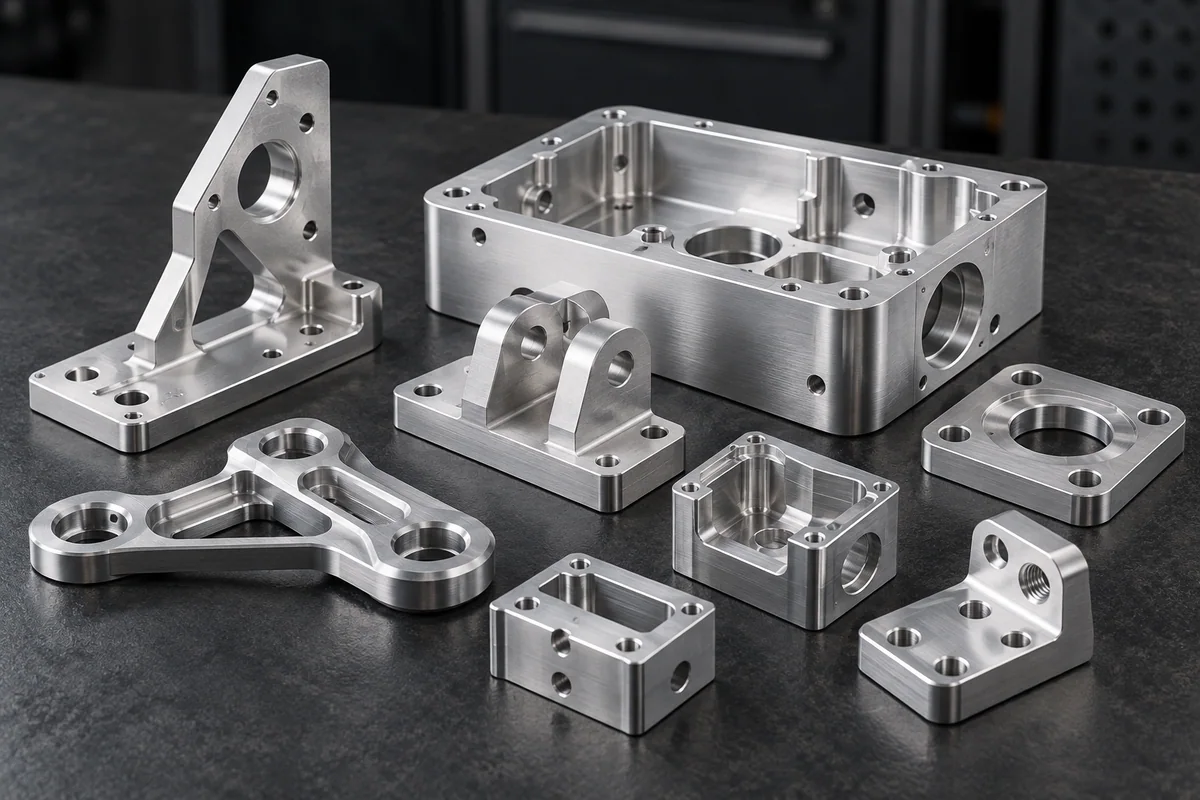
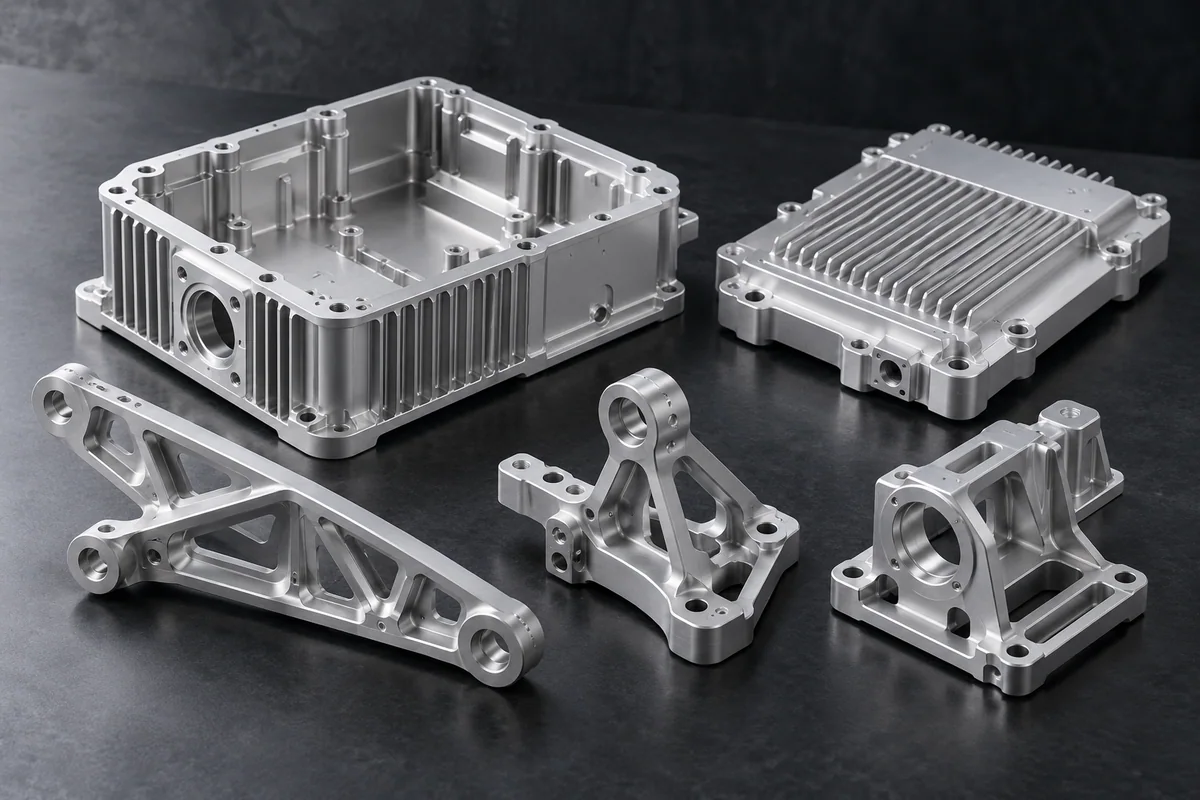
- AluminumLightweight, high-strength alloys for structural and cosmetic parts.
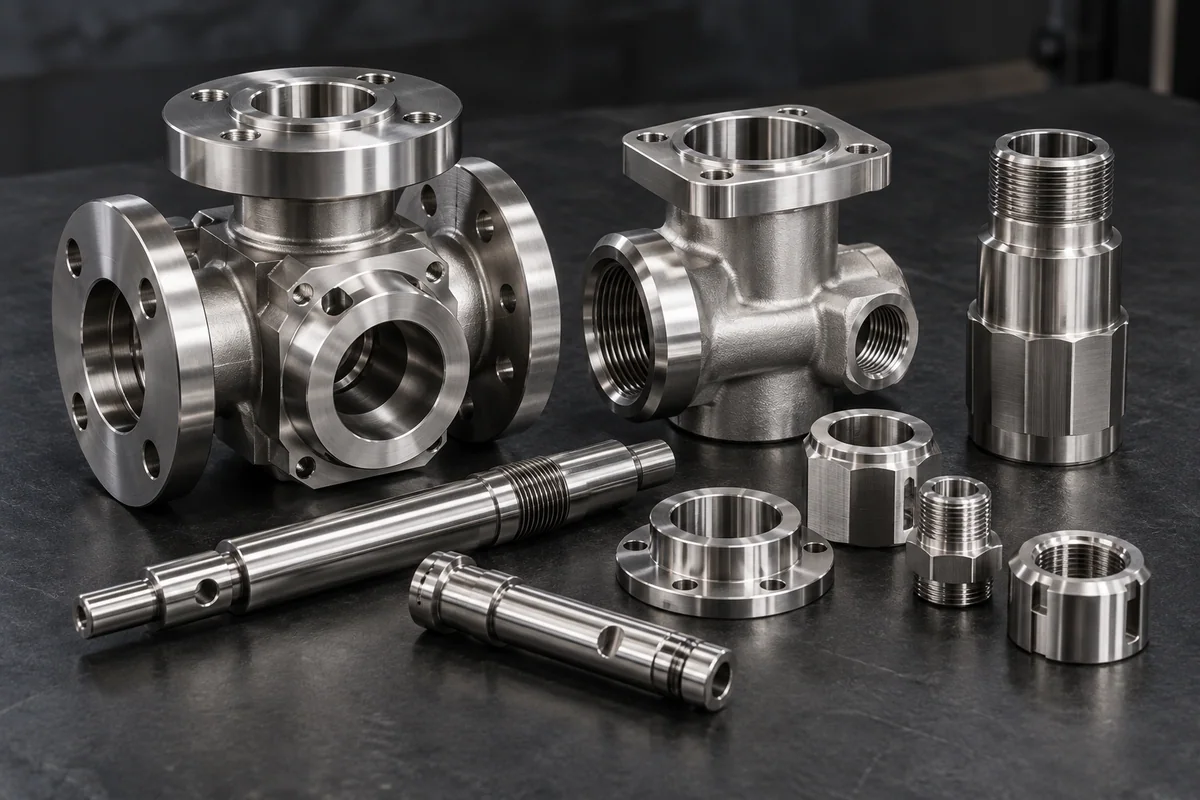
- Stainless SteelCorrosion-resistant alloys for medical, food-grade and outdoor hardware.
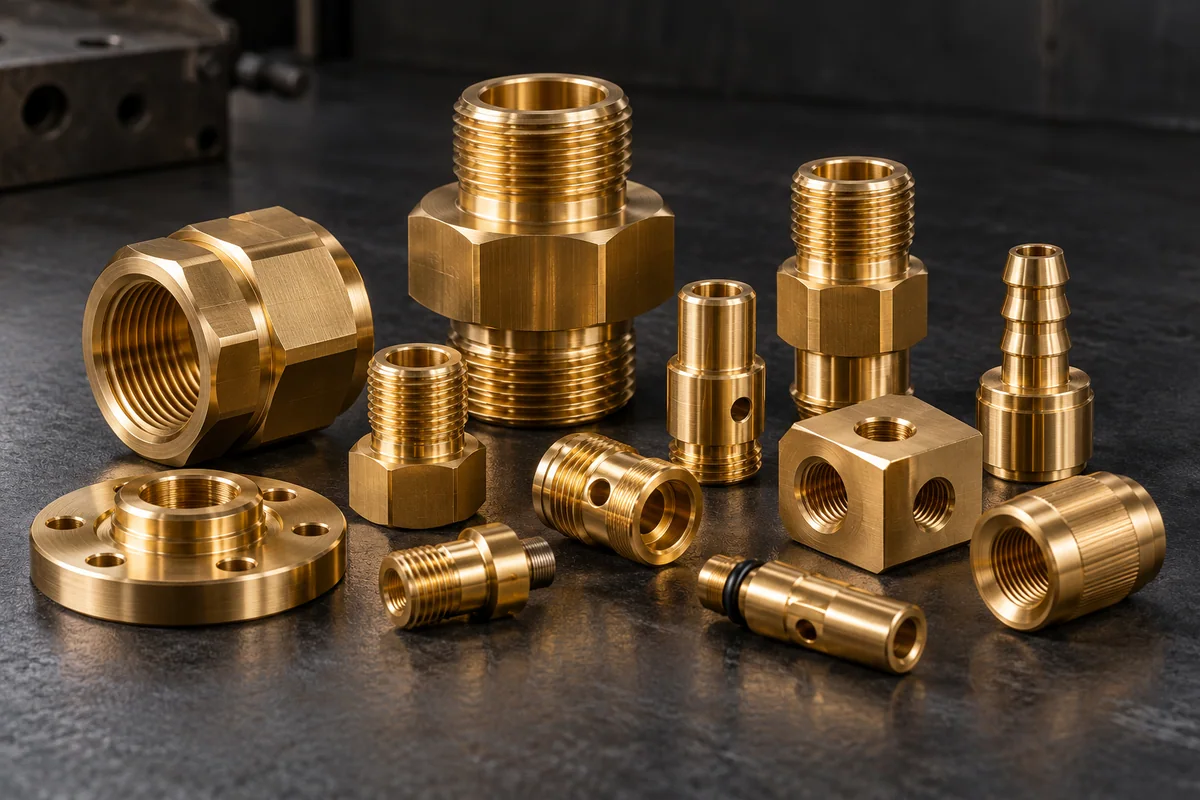
- BrassFree-machining copper-zinc alloys for fittings and decorative parts.
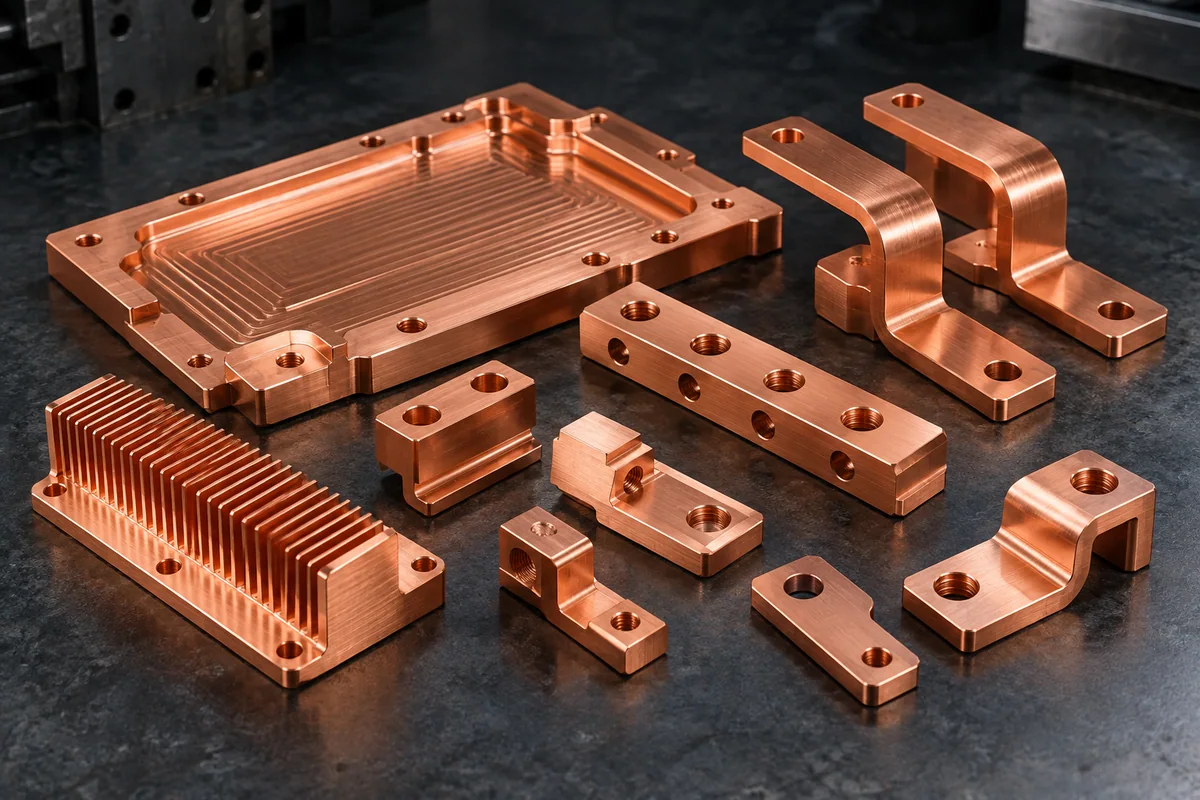
- CopperPure copper and high-copper alloys for electrical and thermal hardware.
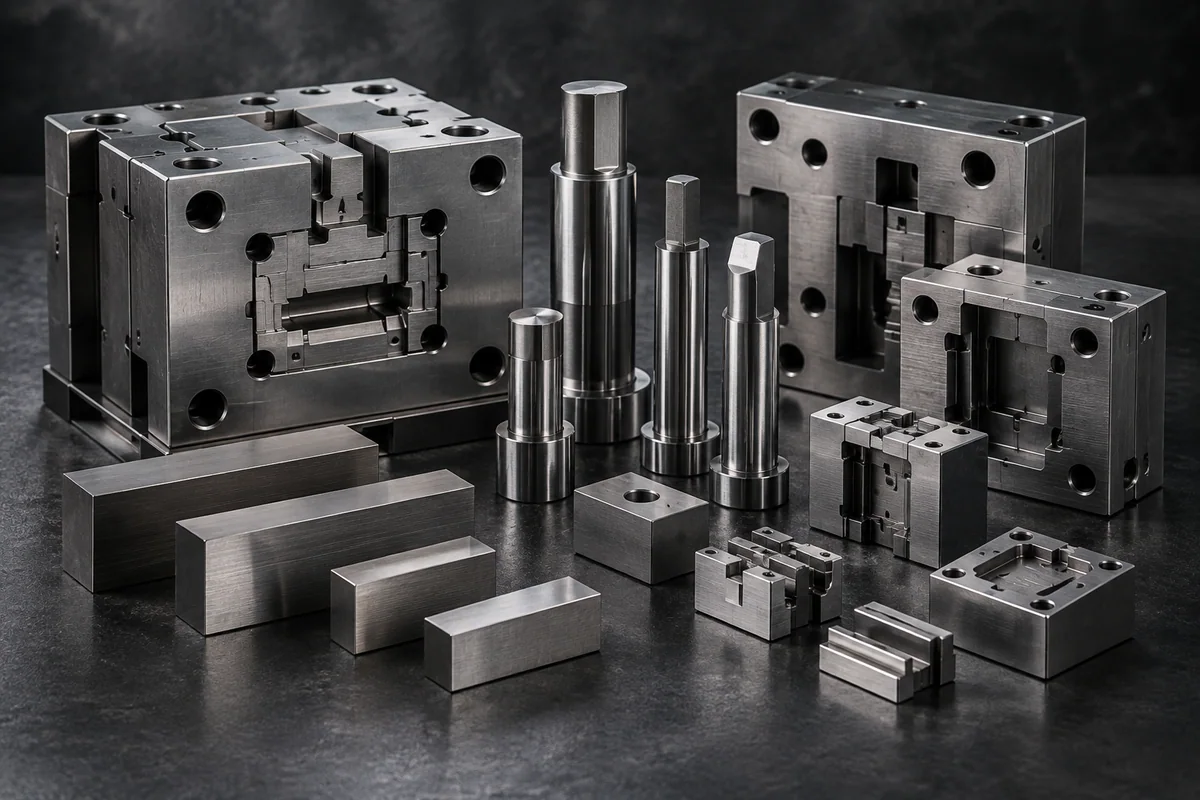
- Tool SteelHigh-hardness alloys for dies, punches and wear-resistant parts.
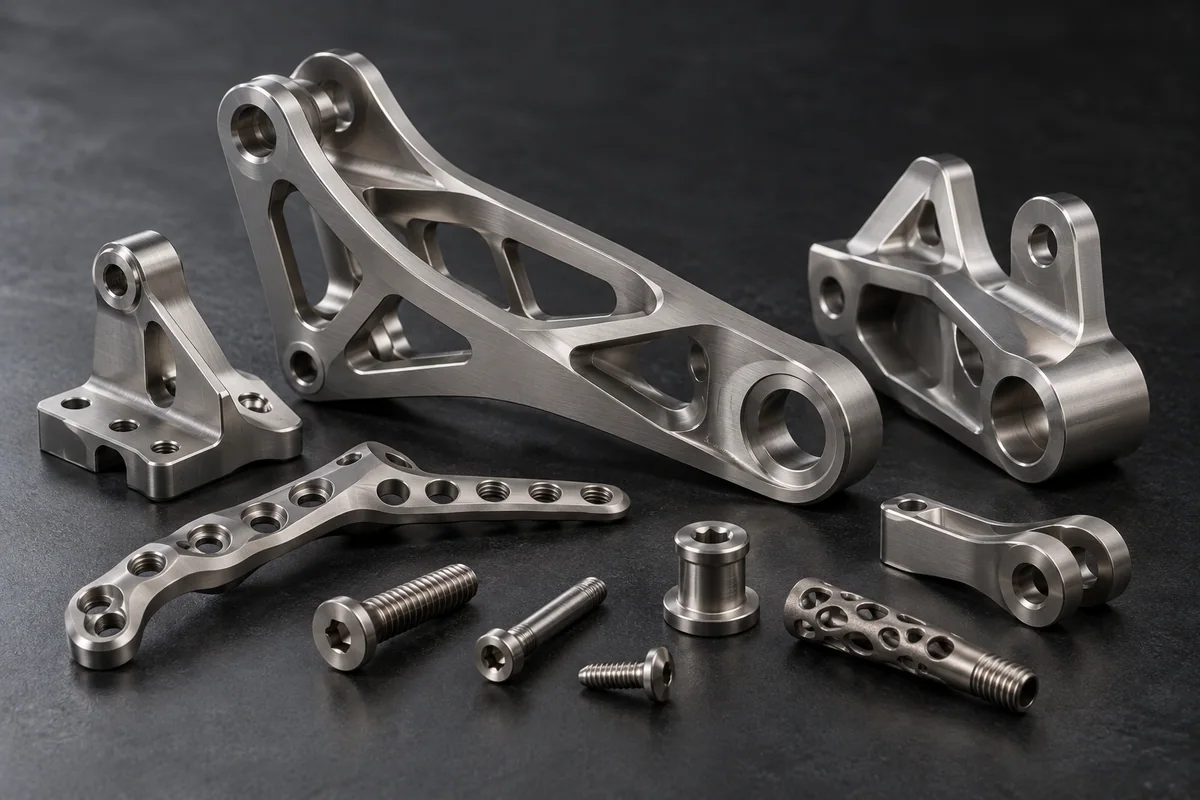
- TitaniumAerospace and medical grades with high strength-to-weight ratio.
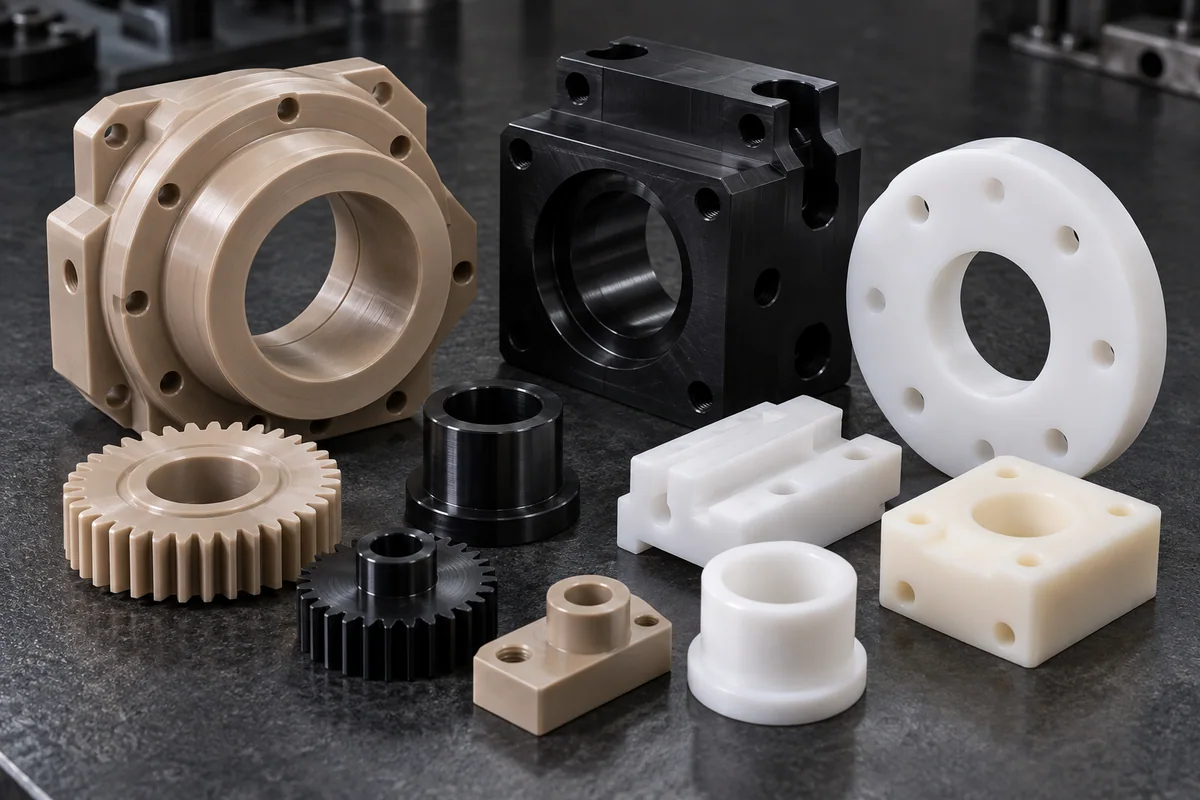
- Engineering PlasticsHigh-performance polymers for insulation, low-friction and chemical resistance.
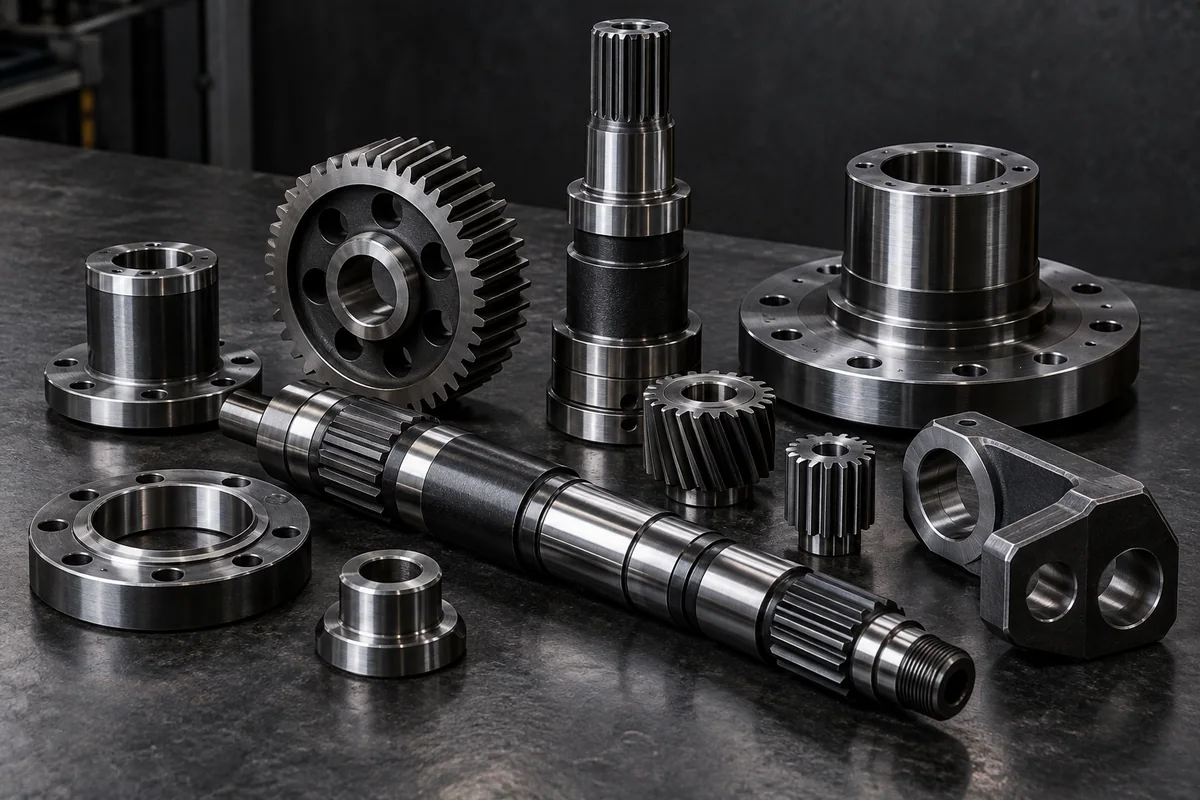
- Carbon SteelPlain-carbon and alloy steels for shafts, gears and structural parts.
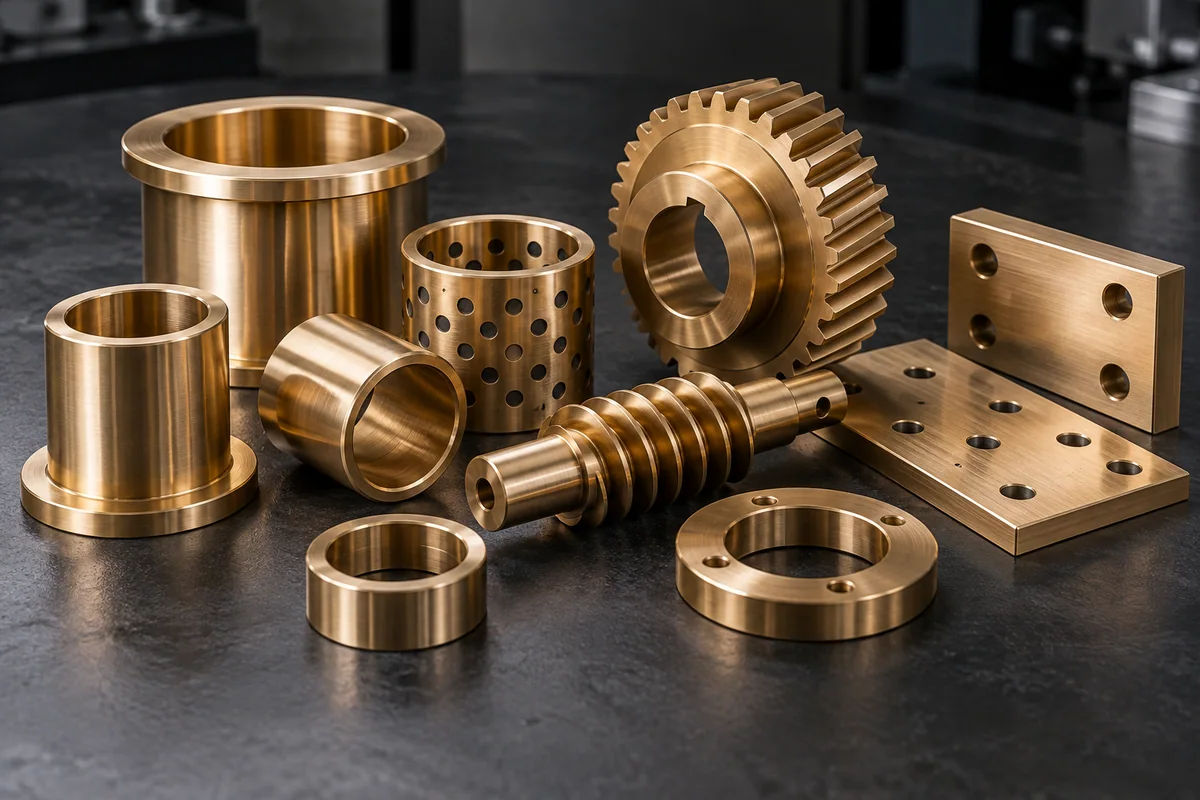
- BronzeCopper alloys for bearings, bushings and wear components.
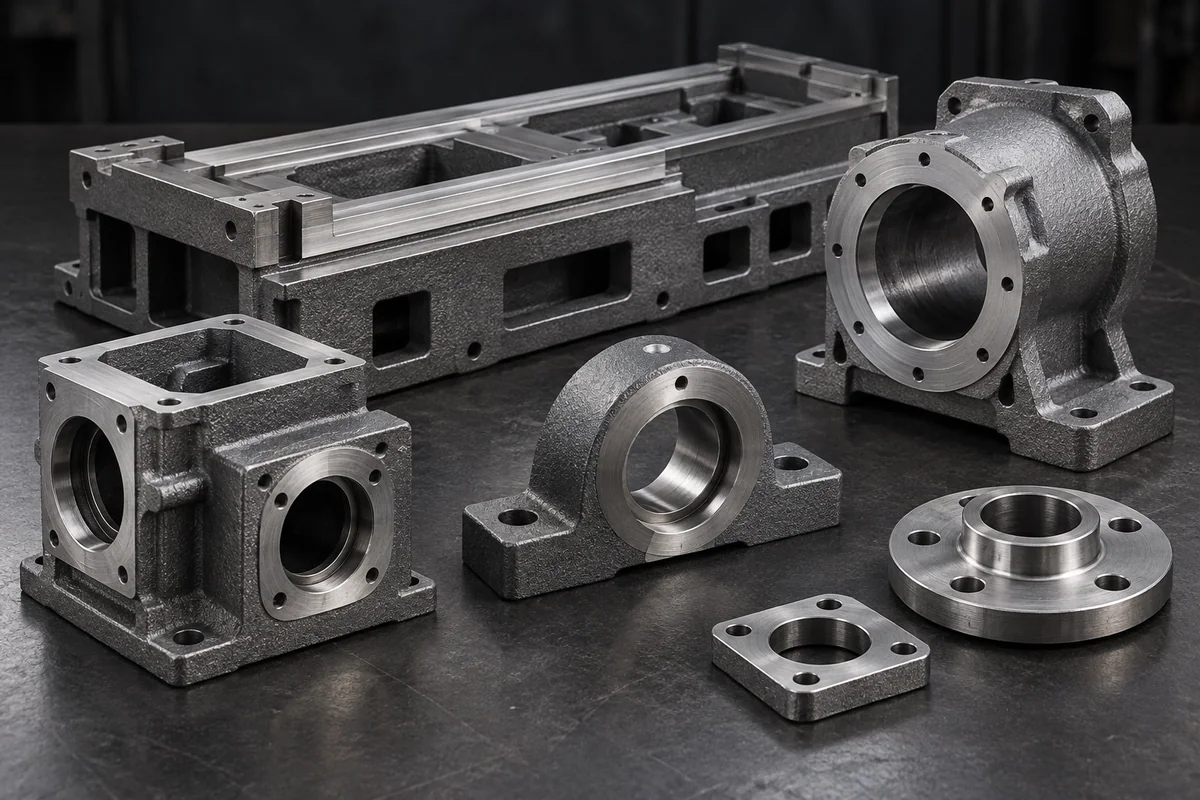
- Cast IronGray and ductile iron for machine bases and housings.
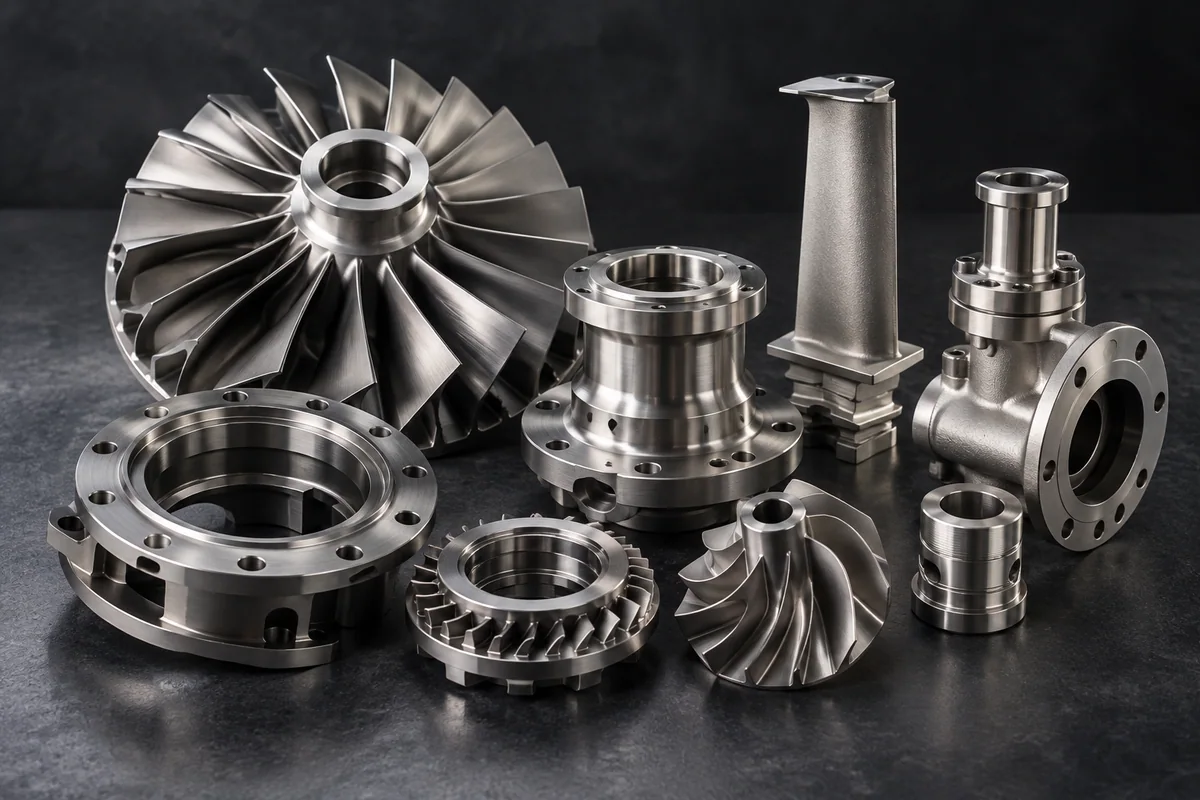
- Nickel AlloysSpecialty alloys for demanding heat and corrosion conditions.
- MagnesiumLow-density alloys for weight-sensitive components.
Need help choosing a material?
Send the drawing — we’ll confirm the material route.
Send a STEP file with the service environment, target tolerances, quantity and documentation requirements. Engineering sends an initial response within one business day. The DFM, route and quotation schedule are confirmed after review.
Start a quote ↗