
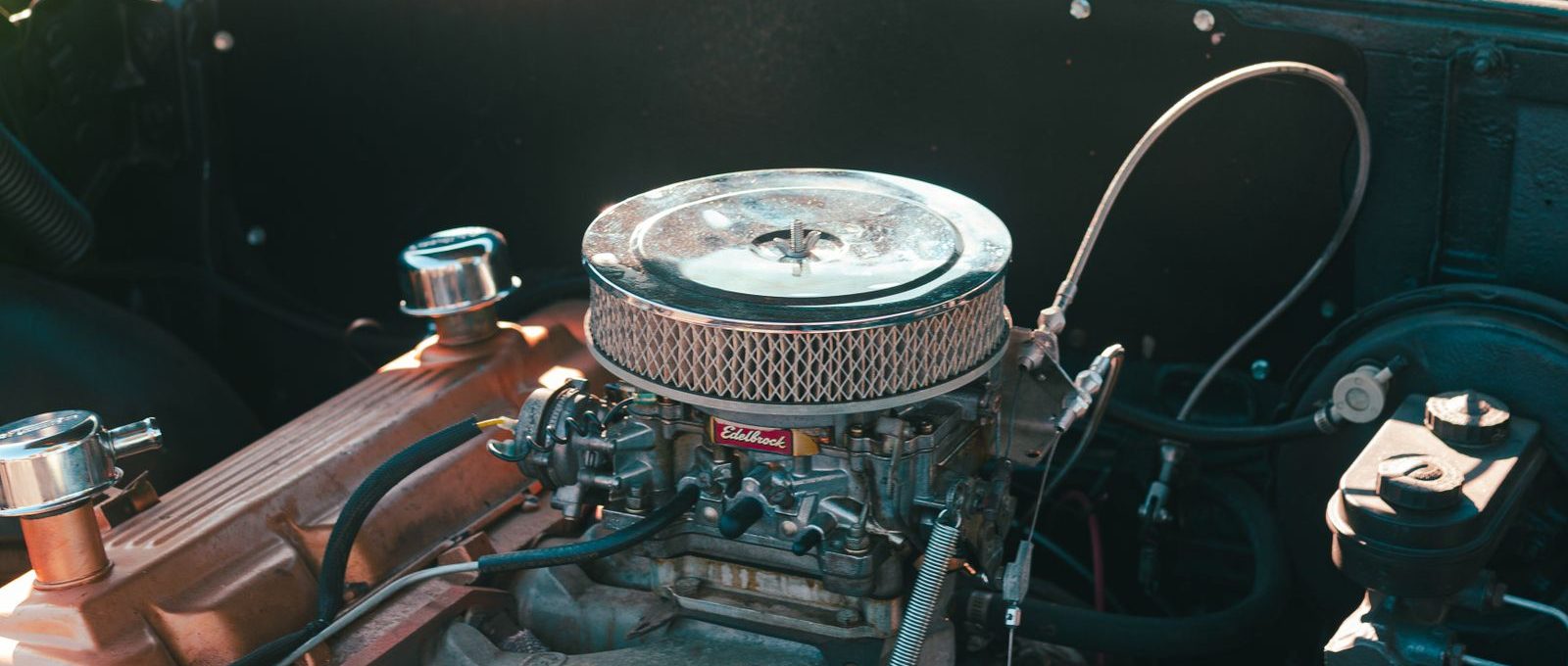
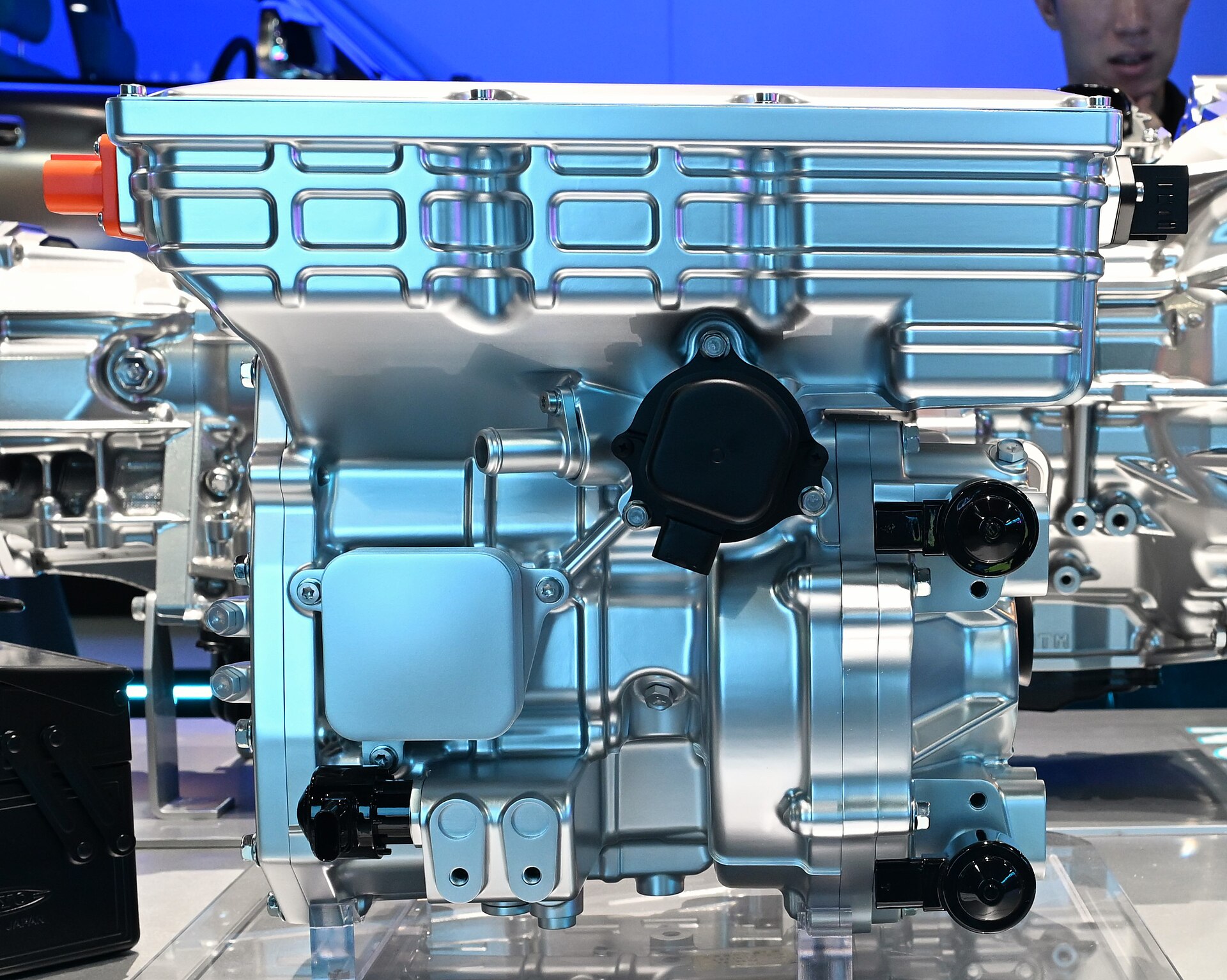
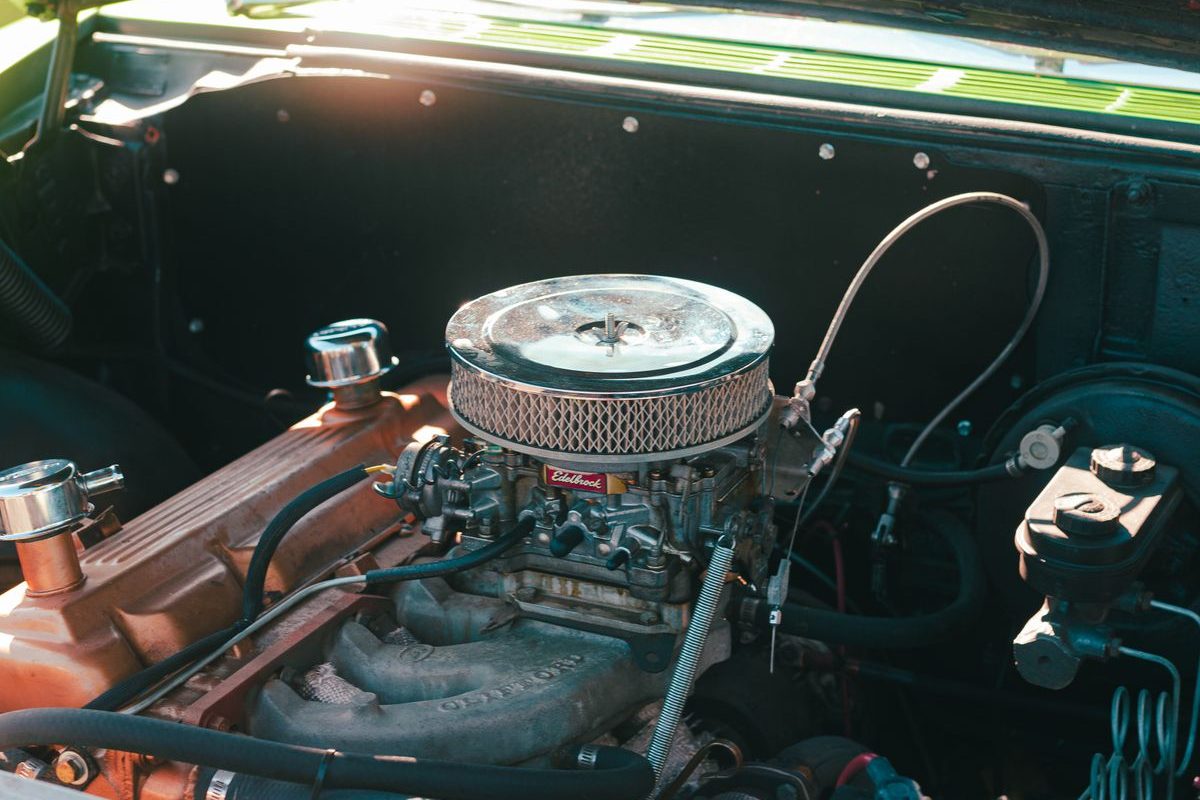


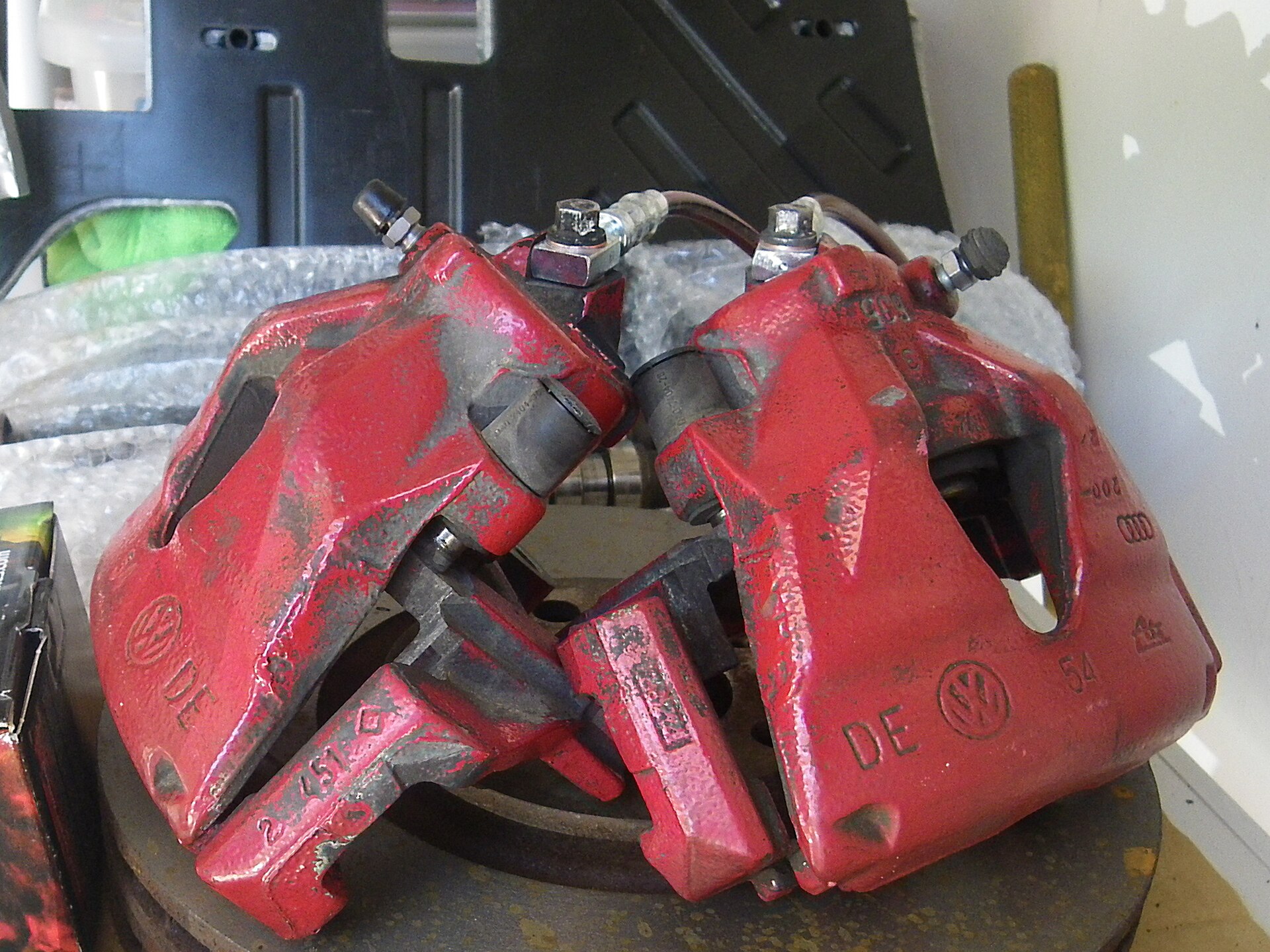
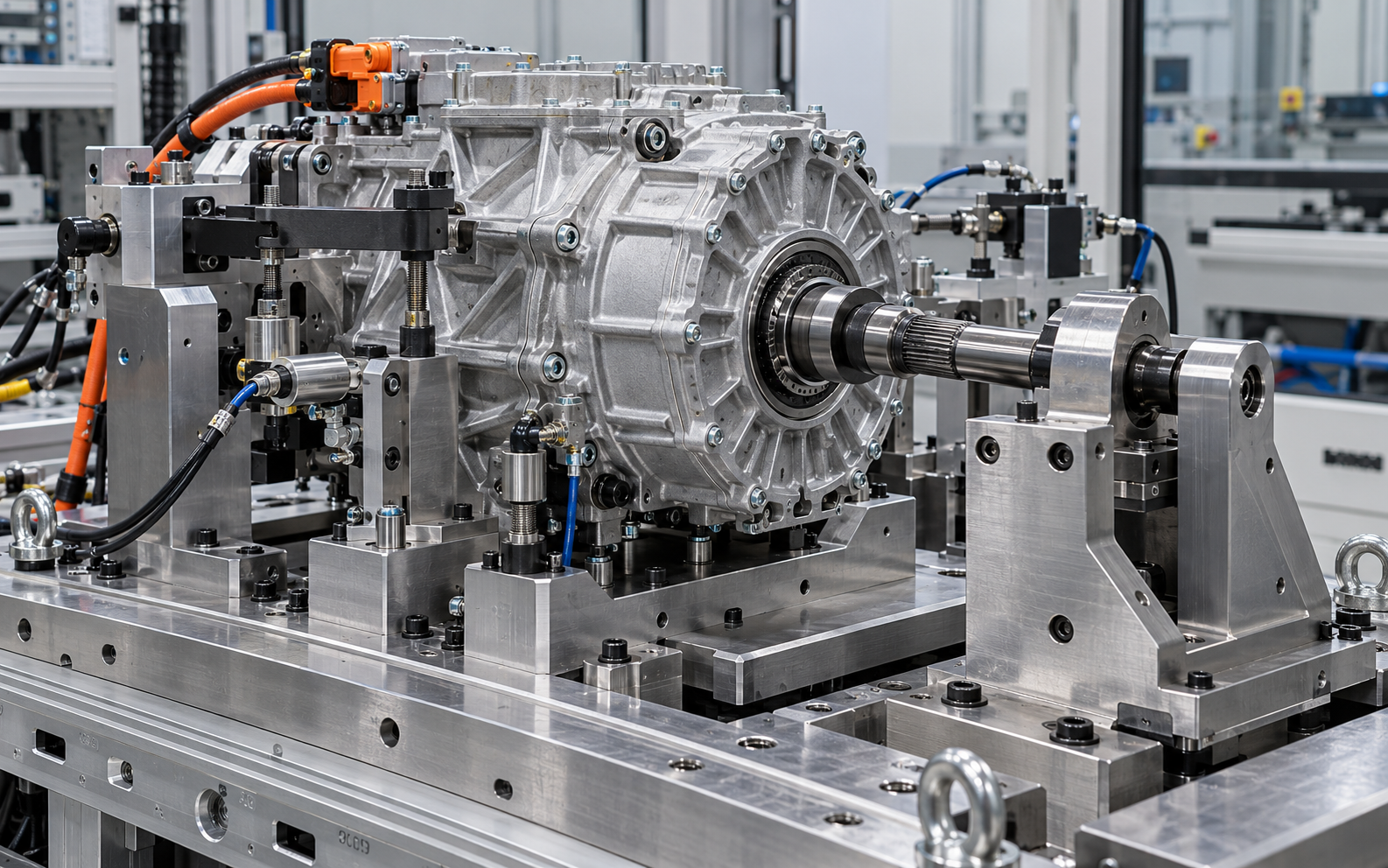
CNC machining for automotive and mobility equipment: prototype housings, fixtures, sensor mounts and production brackets. Define functional fits, load paths, fatigue-sensitive features and drawing revisions before selecting the machining and inspection route.
Which components can be reviewed?
Tecpreva reviews revision-controlled drawings for prototype housings, fixtures, sensor mounts and production brackets. Geometry, material, volume and acceptance criteria determine project suitability; the industry label alone is not a qualification.
Material and finish selection
Consider aluminum for lightweight structures and steel or stainless steel for specified strength and environmental requirements. Specify the exact grade, condition, finish standard, coating thickness and protected surfaces. Do not substitute a material or change a functional surface without approval.
What should the RFQ include?
Send the 2D drawing and STEP model, revision, quantities, critical features, destination and inspection plan. For this application, focus on functional fits, load paths, fatigue-sensitive features and drawing revisions. Identify any special testing, cleanliness or customer documentation requirements separately.
How is sample-to-production consistency controlled?
Agree the first-article acceptance process, datum strategy, inspection coverage and batch identification. Use approved drawings and samples as controlled references. Confirm any certification, regulatory, leak-test or performance-test requirement before accepting the order.