


Automotive cover — CNC machining services

Industry

CNC machining for automotive and mobility equipment

CNC milling · turning · EDM · grinding

Procurement context

Translate vehicle-level requirements into production-ready parts.

From EV modules to ADAS brackets and test fixtures, automotive work depends on interfaces that remain consistent through assembly and service. We review mating parts, operating exposure and inspection datums together, then prepare a route that fits the confirmed drawing revision and delivery stage.

Revision-controlled
Drawing revision
Grade-confirmed
Material specification
Plan-agreed
Inspection scope
Schedule-reviewed
Delivery plan

CNC machining for automotive and mobility equipment: prototype housings, fixtures, sensor mounts and production brackets. Define functional fits, load paths, fatigue-sensitive features and drawing revisions before selecting the machining and inspection route.

Applications

What we make for automotive

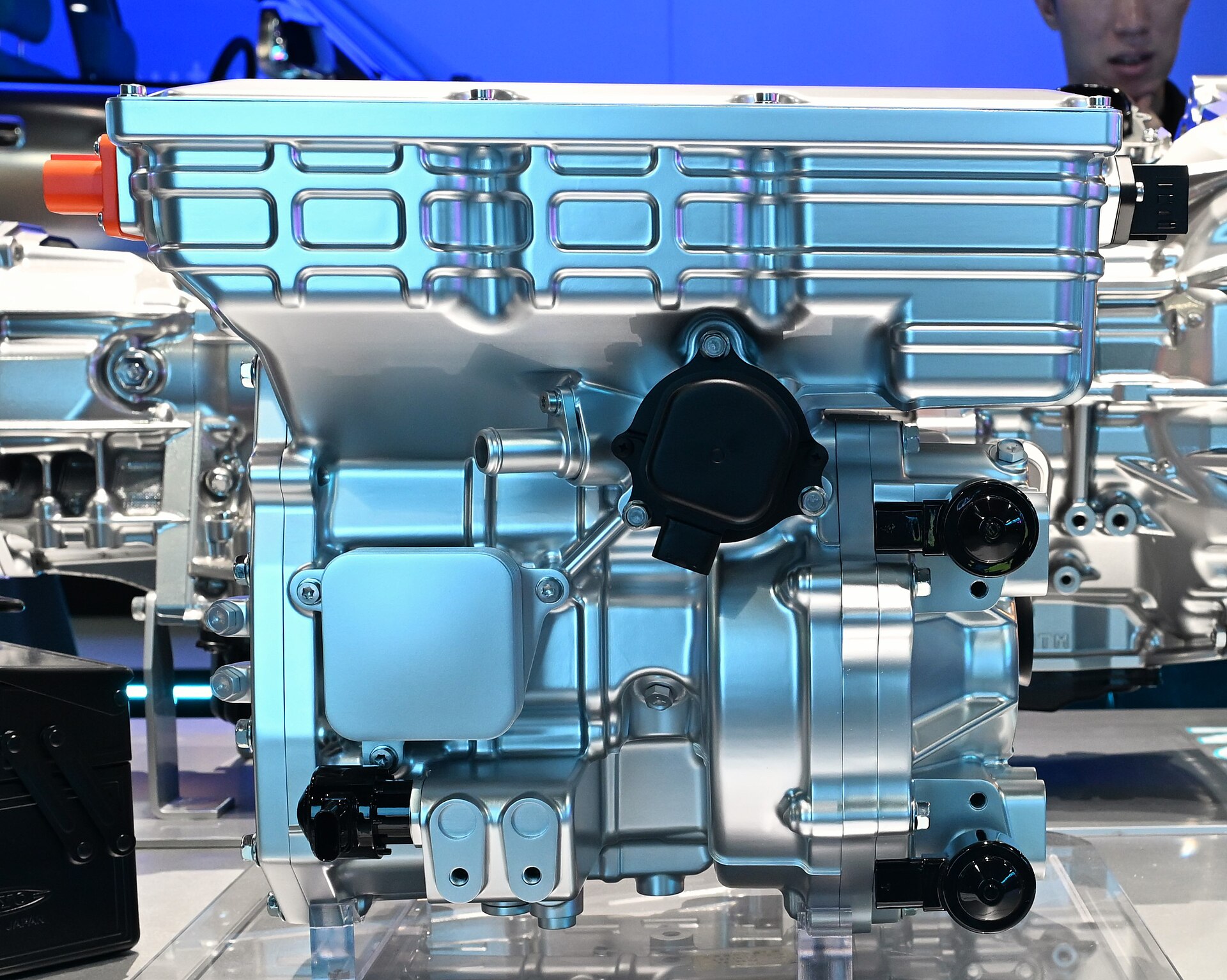
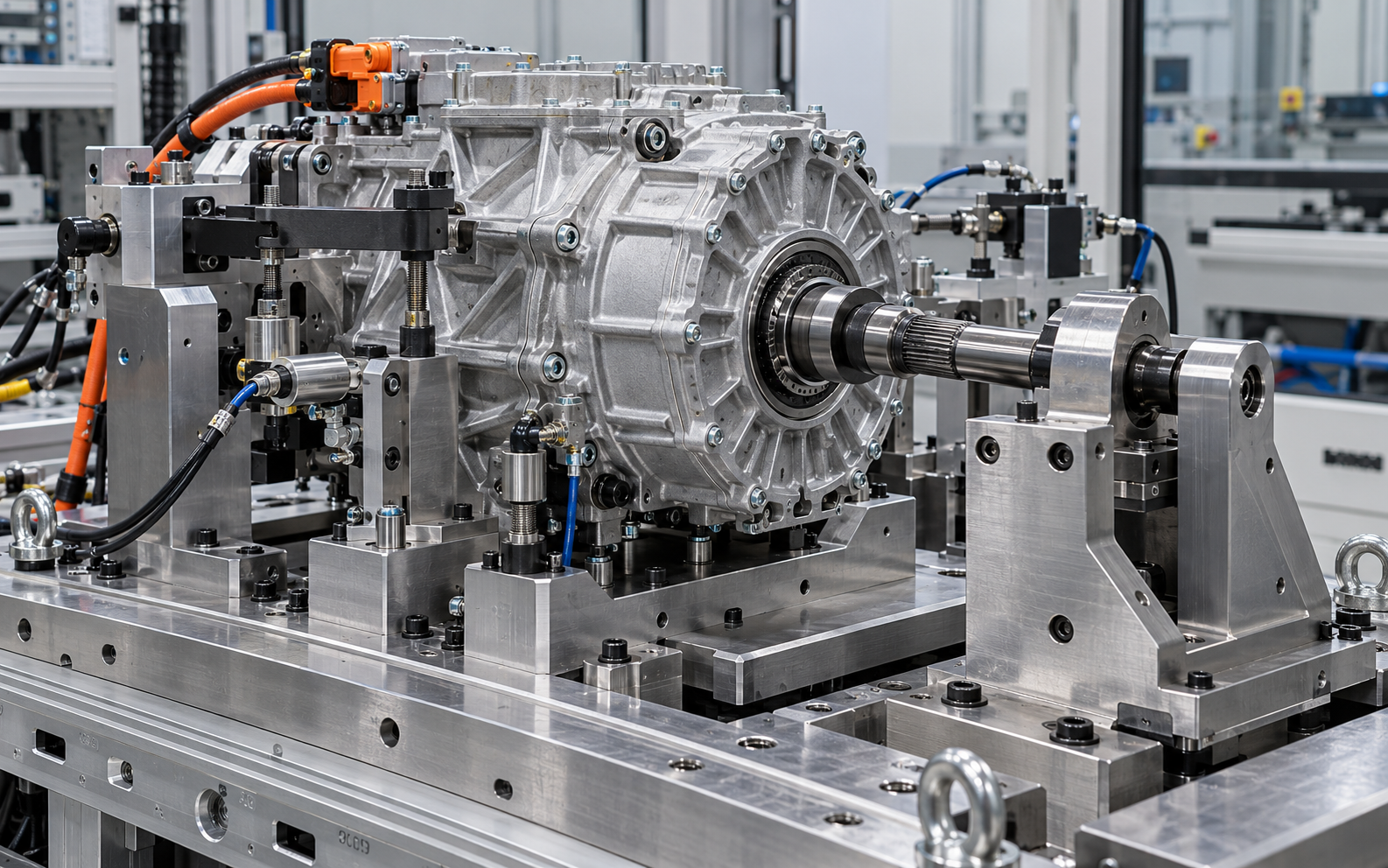
EV motor housing machined from die-cast blank

EV Drivetrain & Battery

For EV drivetrain and battery hardware, we coordinate mounting loads, thermal interfaces, enclosure sealing features and service-access requirements. Vehicle parts must fit adjacent assemblies and remain practical to build, inspect and service. We use the confirmed vehicle-side interfaces to separate functional dimensions from non-critical production variation.

Before release, confirm the primary datum scheme and the interfaces that transfer load or positioning into the next assembly.

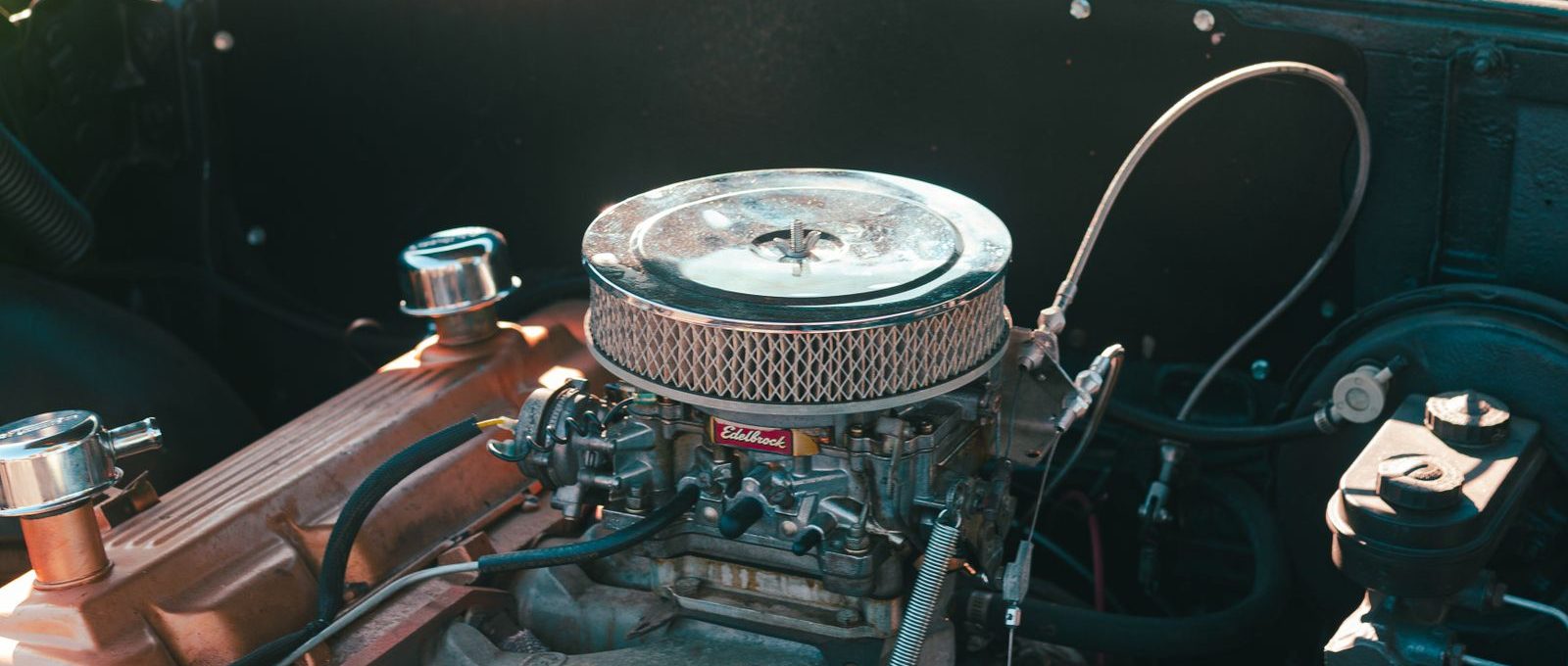
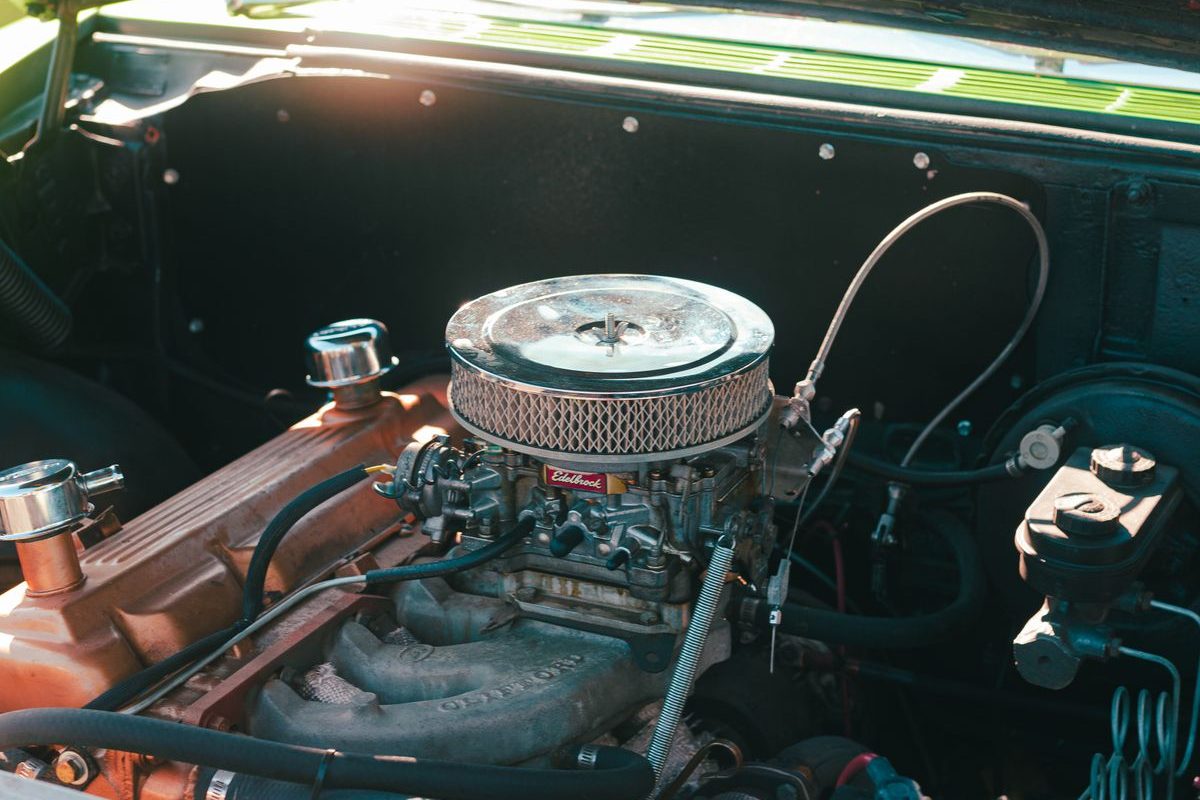
Engine block cover and transmission housing

Engine & Transmission

For engine and transmission parts, we review oil-path interfaces, bearing and seal locations, heat exposure and machining references across assemblies. Vehicle parts must fit adjacent assemblies and remain practical to build, inspect and service. We use the confirmed vehicle-side interfaces to separate functional dimensions from non-critical production variation.

The operating environment is converted into a practical review of materials, surfaces, sealing and handling before the route is released.

ADAS radar sensor mounting bracket

ADAS Sensor Mounts

For ADAS mounts, we protect sensor orientation, optical or radar sight lines, vibration-sensitive features and vehicle-side locating points. Vehicle parts must fit adjacent assemblies and remain practical to build, inspect and service. We use the confirmed vehicle-side interfaces to separate functional dimensions from non-critical production variation.

We identify the features that must align with adjacent electronics, fixtures or enclosures and define how they will be checked.

EV charging station hardware and connector assembly

EV Charging Infrastructure

For charging hardware, we focus on cable and connector interfaces, weather exposure, heat dissipation and field-installation clearances. Vehicle parts must fit adjacent assemblies and remain practical to build, inspect and service. We use the confirmed vehicle-side interfaces to separate functional dimensions from non-critical production variation.

The review also covers installation access, tolerance build-up and the dimensions most likely to affect field assembly.

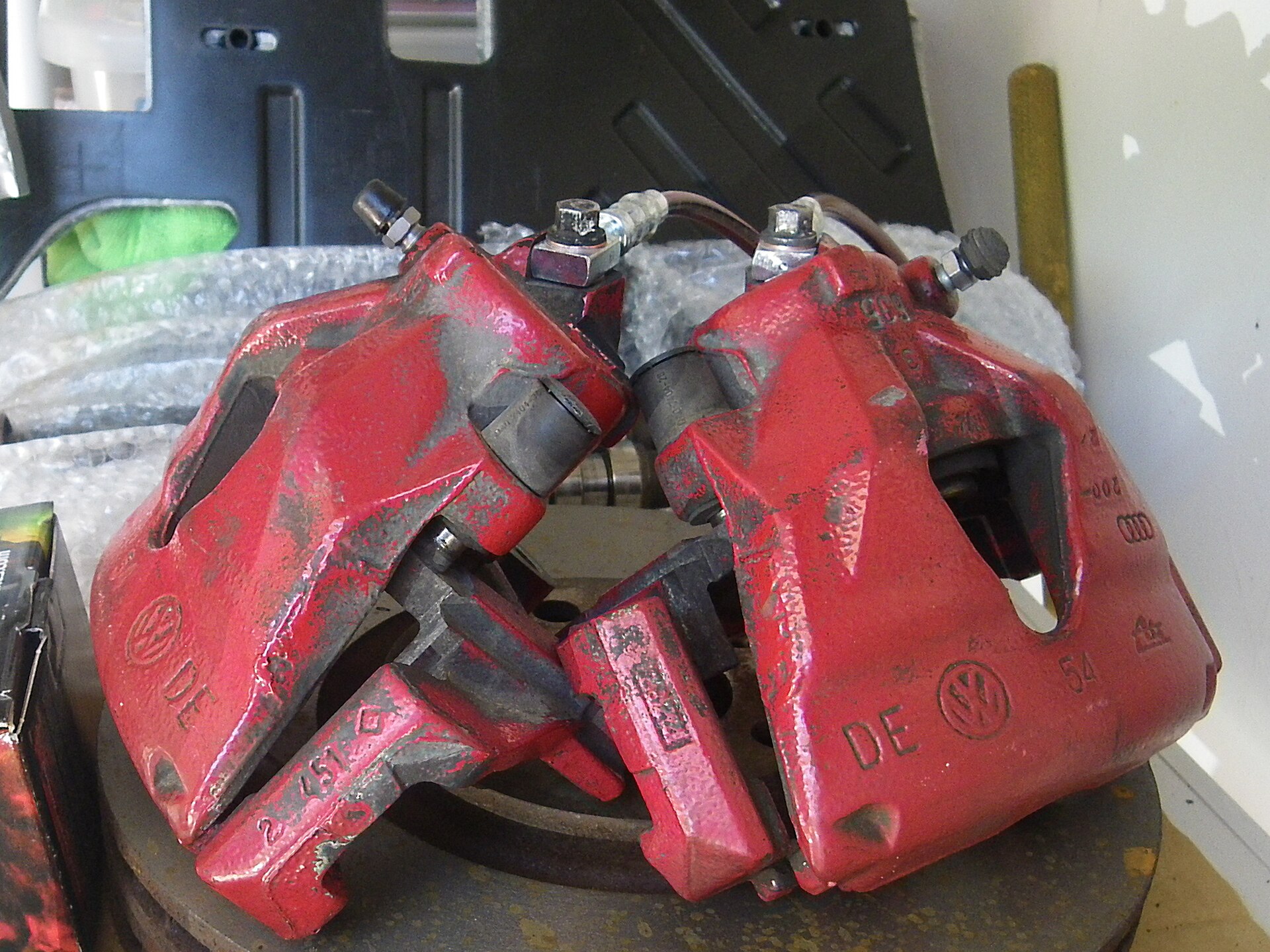
Automotive brake caliper and suspension components

Brake & Suspension Components

For brake and suspension components, we examine load-bearing geometry, bushing or fastener interfaces, corrosion exposure and inspection-critical datums. Vehicle parts must fit adjacent assemblies and remain practical to build, inspect and service. We use the confirmed vehicle-side interfaces to separate functional dimensions from non-critical production variation.

We agree which contact areas, interfaces and visible surfaces need focused process control and order-specific inspection evidence.

Powertrain test fixture and dynamometer mount

Powertrain Testing Fixtures

For powertrain test fixtures, we align repeatable mounting points, service access, instrumentation interfaces and safe changeover needs. Vehicle parts must fit adjacent assemblies and remain practical to build, inspect and service. We use the confirmed vehicle-side interfaces to separate functional dimensions from non-critical production variation.

The final review links the critical geometry to a workable machining sequence, measurement approach and delivery documentation scope.

How we work

Materials, tolerances, collaboration

CNC machining for automotive and mobility equipment: prototype housings, fixtures, sensor mounts and production brackets. Define functional fits, load paths, fatigue-sensitive features and drawing revisions before selecting the machining and inspection route.

Which components can be reviewed?

Tecpreva reviews revision-controlled drawings for prototype housings, fixtures, sensor mounts and production brackets. Geometry, material, volume and acceptance criteria determine project suitability; the industry label alone is not a qualification.

Material and finish selection

Consider aluminum for lightweight structures and steel or stainless steel for specified strength and environmental requirements. Specify the exact grade, condition, finish standard, coating thickness and protected surfaces. Do not substitute a material or change a functional surface without approval.

What should the RFQ include?

Send the 2D drawing and STEP model, revision, quantities, critical features, destination and inspection plan. For this application, focus on functional fits, load paths, fatigue-sensitive features and drawing revisions. Identify any special testing, cleanliness or customer documentation requirements separately.

How is sample-to-production consistency controlled?

Agree the first-article acceptance process, datum strategy, inspection coverage and batch identification. Use approved drawings and samples as controlled references. Confirm any certification, regulatory, leak-test or performance-test requirement before accepting the order.

Drawing review

Discuss Automotive machining requirements

Send the current drawing revision, STEP model, material grade, quantity and inspection scope. Engineering sends an initial response within one business day and confirms manufacturing assumptions after drawing review.

Request a manufacturing review